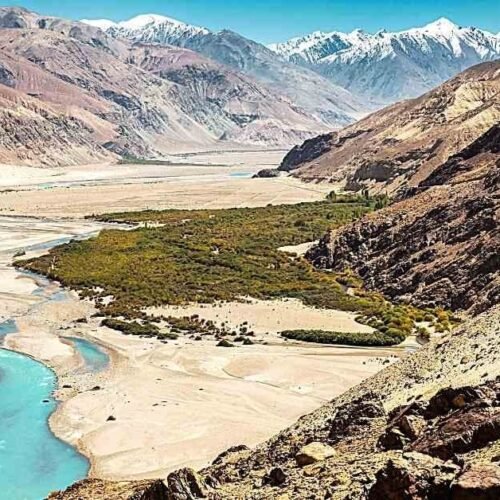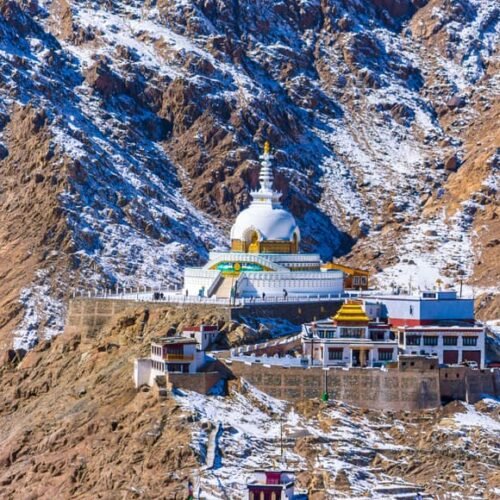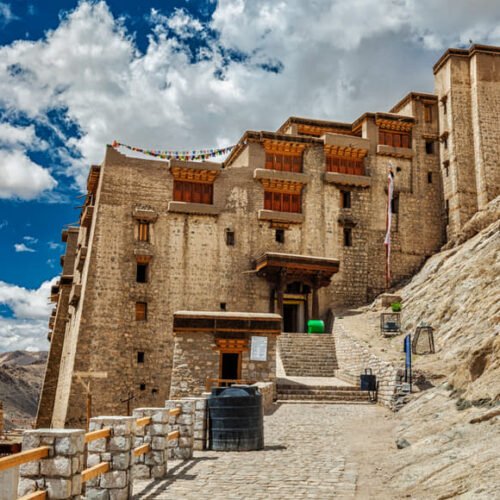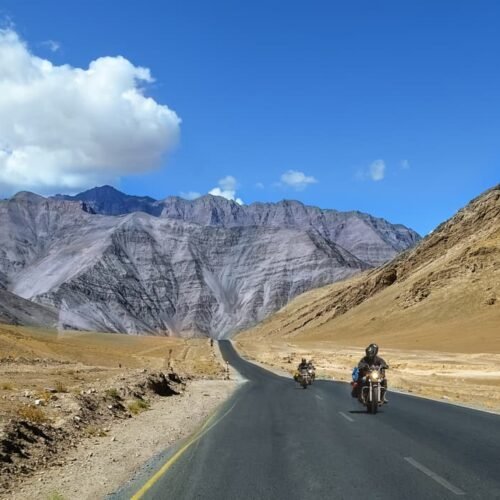
Turtuk, often called the last village of India, is a hidden gem located in the Nubra Valley of Ladakh, just a few kilometers away from the Line of Control (LoC) with Pakistan. Opened to tourists only in 2010, Turtuk is a world apart from the stark landscapes of Ladakh — it is lush, green, and culturally rich.
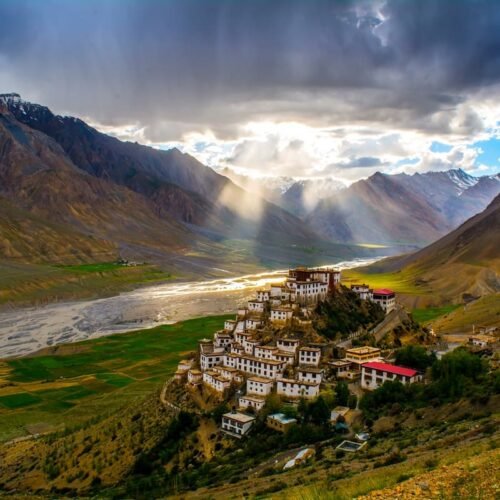
The village lies along the Shyok River and is part of the Balti region, known for its unique Balti culture, language, and cuisine. With apricot orchards, wooden bridges, stone houses, and views of K2 (the world’s second-highest mountain) on a clear day, Turtuk offers visitors a mix of scenic beauty and cultural depth.
Tales of Travelers invites you to step into this surreal village and discover a side of Ladakh that feels untouched by time.
Turtuk, often called the last village of India, is a hidden gem located in the Nubra Valley of Ladakh, just a few kilometers away from the Line of Control (LoC) with Pakistan. Opened to tourists only in 2010, Turtuk is a world apart from the stark landscapes of Ladakh — it is lush, green, and culturally rich.
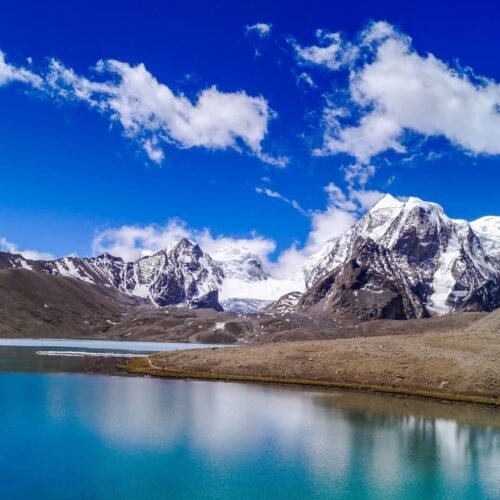
The village lies along the Shyok River and is part of the Balti region, known for its unique Balti culture, language, and cuisine. With apricot orchards, wooden bridges, stone houses, and views of K2 (the world’s second-highest mountain) on a clear day, Turtuk offers visitors a mix of scenic beauty and cultural depth.
Tales of Travelers invites you to step into this surreal village and discover a side of Ladakh that feels untouched by time.
Why Visit Turtuk Valley ?
Most Ladakh itineraries focus on lakes and monasteries, but Turtuk is a living cultural museum. Here’s why every traveler should visit:
Balti Culture: Unlike Tibetan Buddhism in the rest of Ladakh, Turtuk’s culture reflects its Islamic Balti roots. From mosques to cuisine, everything feels different and refreshing.
Fruit Paradise: Known as the “Land of Apricots”, Turtuk produces Ladakh’s sweetest apricots, along with walnuts and apples.
Stunning Views: The village sits by the Shyok River, surrounded by fields, mountains, and the distant Karakoram peaks, making it a paradise for photographers.
Border Experience: Few places in India let you stand at the edge of the nation while feeling so safe and welcomed.
Authenticity: Homestays, traditional food, and genuine hospitality make Turtuk a cultural immersion rather than just a sightseeing stop.
Top Attractions in Turtuk Valley
Apricot Orchards Walk through sprawling orchards filled with apricot, walnut, and apple trees. During harvest season (July–September), the village turns golden with ripe fruits.
Balti Heritage House & Museum A beautifully preserved home that displays ancient artifacts, farming tools, weapons, and cultural items of the Balti people. Perfect for understanding Turtuk’s history.
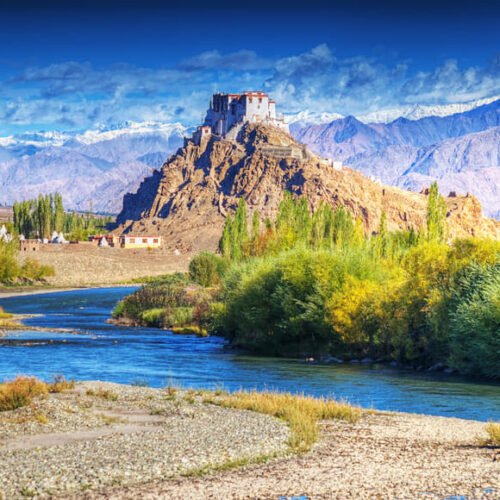
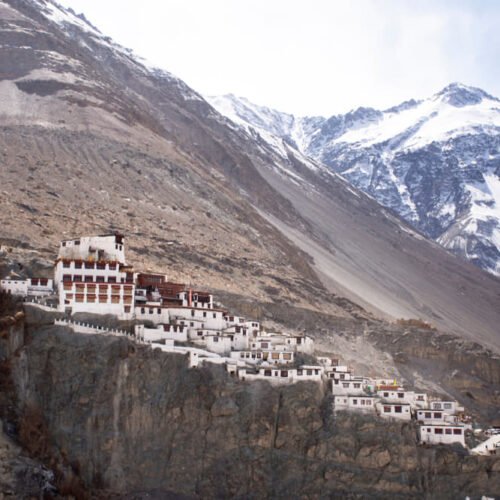
Turtuk Monastery A small but peaceful monastery on a hilltop, offering sweeping views of the Shyok Valley. It’s a quiet escape for meditation and reflection.
Broq Village A smaller hamlet near Turtuk, known for its traditional stone houses, wooden granaries, and narrow alleys that feel untouched by time.
Shyok River Banks The river flows gently beside Turtuk, creating scenic picnic spots and walking paths. The landscapes here are ideal for nature photography.
Karakoram Viewpoints On clear days, travelers can spot the legendary K2 peak, the second-highest mountain in the world, along with other Karakoram giants.
Local Mosques & Bridges The wooden-carved mosques and traditional suspension bridges give a glimpse of Turtuk’s spiritual and architectural heritage.
Things to Do in Turtuk Valley
Fruit Tasting: Try fresh apricots, walnuts, and apples directly from the orchards. Don’t miss apricot jam and dry fruits sold by locals.
Cultural Walks: Wander through narrow alleys, wooden bridges, and farms while interacting with warm-hearted villagers.
Balti Cuisine: Enjoy authentic dishes like buckwheat bread (khambir), apricot chutney, and yarkhandi pulao.
Homestay Experience: Stay with Balti families to learn about their lifestyle, traditions, and food habits.
Heritage Exploration: Visit the Balti Museum and heritage houses to understand the region’s past.
Photography: Capture landscapes, Karakoram peaks, Shyok River, traditional houses, and villagers in traditional attire.
Adventure Walks: Go on short treks or riverside walks in the valley.
Best Time to Visit Turtuk Valley
May to September: The most pleasant season with green fields, blooming orchards, and comfortable weather.
July–September: Best for fruit harvest (apricots & walnuts).
April & October: Cold but scenic, with fewer tourists.
Winter (Nov–Mar): Harsh, snowbound, and inaccessible due to blocked roads.
How to Reach Turtuk Valley
By Road from Leh: Turtuk is about 205 km from Leh, requiring 6–7 hours via Khardung La → Diskit → Hunder → Bogdang → Turtuk.
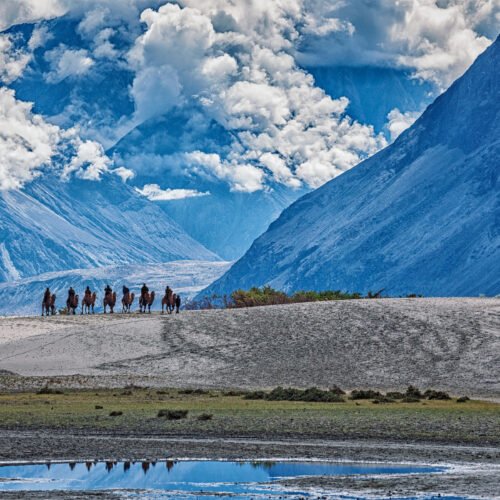
From Nubra Valley: Turtuk can be visited as a day trip or overnight stay from Diskit or Hunder (90 km).
Transport: Taxis, shared cabs, or rented bikes from Leh.
Travel Tips for Turtuk Valley
Carry Inner Line Permits (mandatory for Indian citizens; foreigners need Protected Area Permits).
Keep cash – no ATMs in Turtuk.
Connectivity: Only BSNL works, that too patchy.
Be respectful of local customs – dress modestly, especially around mosques.
Avoid photography near military installations.
Support locals by staying in homestays and buying handicrafts or dry fruits.
Why Book With Gold hill Luxe Tour and Travels?
At Gold Hill Luxe Tour and Travels, we provide:
Customizable and affordable Srinagar tour packages
Experienced local guides and drivers
Authentic Ladakh experiences, including permits Experts and equipment’s
Hassle-free bookings and 24/7 customer support
Turtuk, often called the last village of India, is a hidden gem located in the Nubra Valley of Ladakh, just a few kilometers away from the Line of Control (LoC) with Pakistan. Opened to tourists only in 2010, Turtuk is a world apart from the stark landscapes of Ladakh — it is lush, green, and culturally rich.
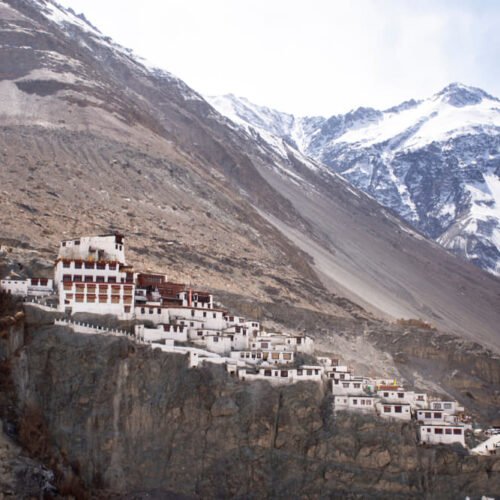
Embark on an extraordinary Himalayan adventure with the 8 Days Incredible Ladakh with Hunder Sand Dunes tour by Gold Hill Luxe Tour and Travel. Carefully...